Your credit score feels like a secret code you didn’t get the key to. You pay bills—mostly on time. You don’t max out cards—usually. Yet that three-digit number barely budges. Frustrating? Absolutely. But here’s the twist: most “expert” advice is outdated, generic, or designed for lenders—not you. Real credit score improvement strategies aren’t about doing more. They’re about doing different.
Why Most Credit Repair Advice Fails Miserably
Conventional wisdom says: pay on time, keep utilization low, don’t apply for new credit. Solid basics—no argument there. But they ignore the hidden mechanics inside modern scoring models like FICO 10 and VantageScore 4.0.
Here’s the reality: payment history matters less if your credit mix is stagnant. And ultra-low utilization (<5%) can sometimes backfire—it looks like you’re not using credit at all, which gives algorithms nothing to assess.
Worse, countless blogs parrot the same recycled tips while ignoring one brutal fact: your credit file is judged by patterns, not snapshots. One late payment two years ago? Less damaging than inconsistent behavior last month.
credit score improvement strategies: A Tactical Step-by-Step Plan
Forget vague promises. This is what moves the needle—fast.
Strategically Time Your Credit Inquiries
Rate shopping for mortgages or auto loans gets a 14–45 day grace period (depending on the model). All pulls within that window count as one inquiry. Miss that window by one day? Multiple dings. Schedule everything tightly—use calendar alerts.
Leverage Authorized User Status—But Wisely
Becoming an authorized user on a relative’s old, well-managed card can boost your age-of-credit and payment history overnight. But—and this is critical—the primary user must have near-perfect habits. One slip on their end tanks your score too. Verify their discipline first.
Deploy a Credit Builder Loan (Yes, On Purpose)
Counterintuitive? Maybe. Effective? Absolutely. Services like Self or Credit Strong offer secured installment loans where your payments go into a savings account you access later. It adds installment debt to your mix—which many thin files lack—and shows consistent repayment behavior.

| Tactic | Estimated Cost | Potential Score Lift (FICO) | Time to Reflect |
|---|---|---|---|
| Credit Builder Loan | $25–$50/month + interest | +20 to +45 points | 30–60 days |
| Authorized User Boost | Free (if trusted source) | +15 to +80 points | 15–45 days |
| Experian Boost™ | Free | +10 to +30 points | Instant |
| Pay Down Revolving Balances Below 10% | Varies | +10 to +50 points | 30 days (next statement cycle) |
Use Experian Boost—Seriously
It’s free. It connects to your bank and adds utility, streaming, and phone bill payments to your Experian report. Not all lenders use Experian—but many do. And even a 15-point bump can shift you into a better rate tier. Takes 10 minutes. Why skip it?
The Industry Secret: Scoring Models Reward Predictability—Not Perfection
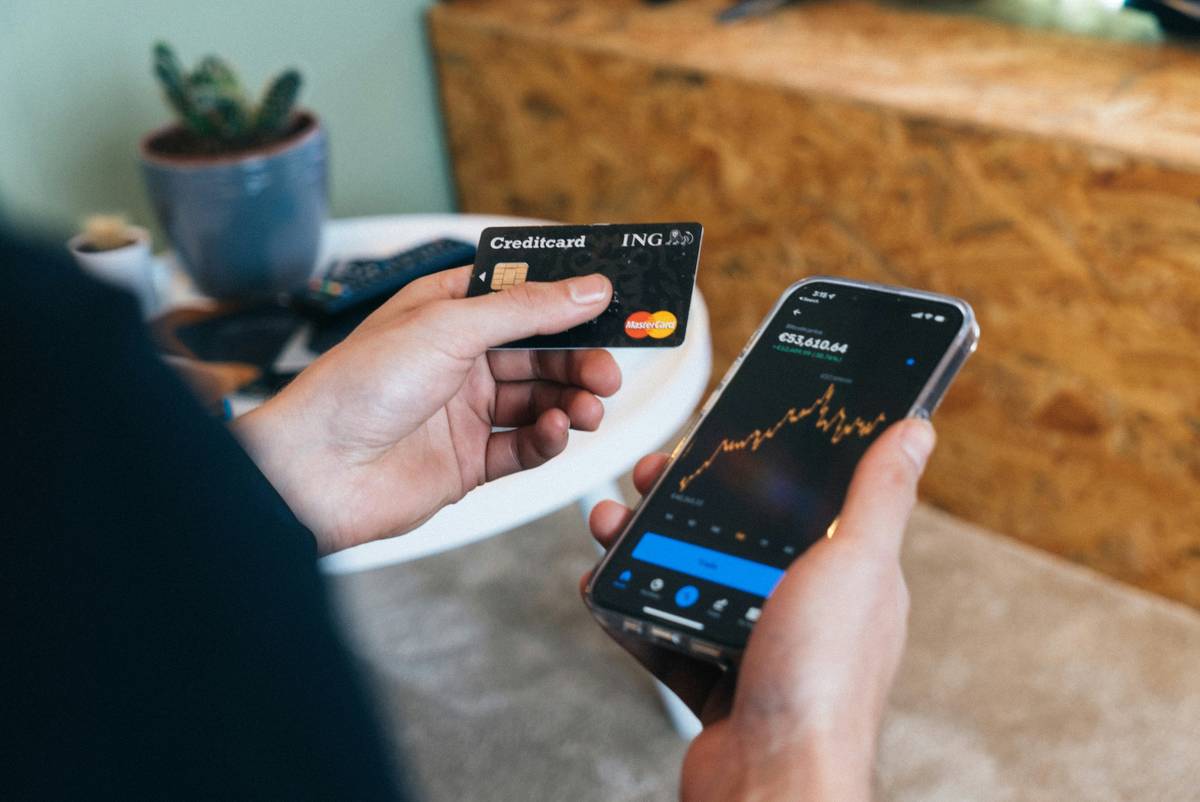
Here’s what no one tells you: credit algorithms aren’t hunting for saints. They want predictable risk. A borrower who consistently carries a $1,500 balance on a $2,000 limit—but pays $75 monthly like clockwork—is often scored higher than someone with zero balance but erratic usage.
Think about it. Lenders make money from interest and fees, not from saints who never borrow. So show them a clear, repeatable pattern: same payment amount, same due date behavior, slight but steady utilization. That consistency whispers “low-risk” louder than a perfect 850 ever shouts.
And yes—this means occasionally carrying a small balance (paid in full!) might actually help. The math is simple: data beats dogma.
Frequently Asked Questions
How fast can credit score improvement strategies work?
Most tactics show results within 30–60 days—especially paying down balances or adding positive tradelines. Instant tools like Experian Boost reflect immediately.
Do credit repair companies actually help?
Rarely. They can’t remove accurate negative items. Most charge $50–$150/month for disputes you can file yourself for free. Save your cash.
Will closing an old credit card hurt my score?
Often, yes. It shortens your credit history and spikes utilization. Keep it open—even if unused—with a small recurring charge (like Netflix) to keep it active.